Andrey Zhikalov — Art Director / Designer
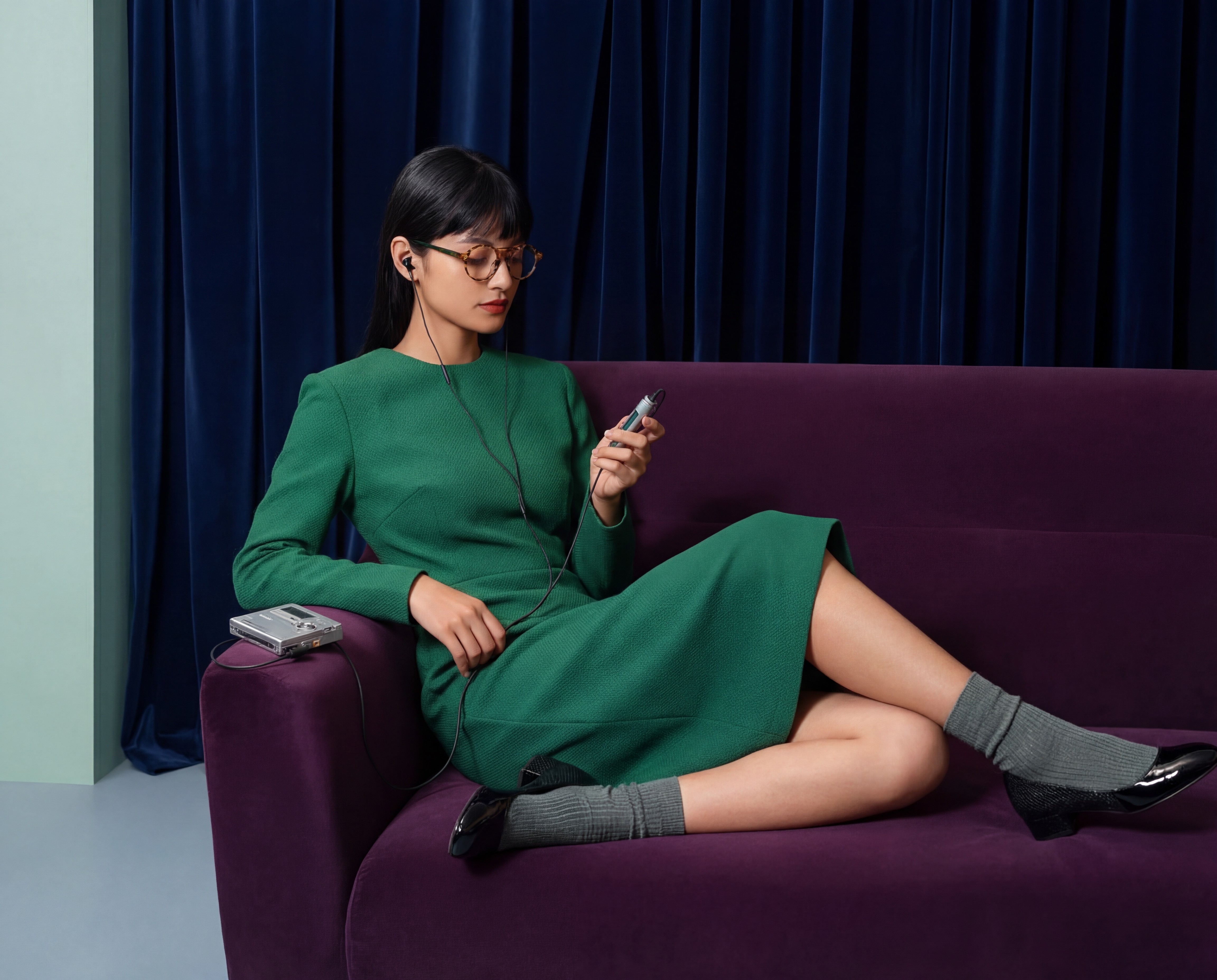
In the early 2000s, Sony didn’t just create a music player. It created a cultural object.
Sony’s MiniDisc players — especially the iconic models of that era — were never about raw specifications. They were about feeling. About taste. About belonging to a worldview where technology doesn’t demand attention, but calmly coexists with the person using it.
Metal bodies, precise proportions, deliberate mechanics, tactile buttons, displays that complemented rather than distracted. These devices felt serious. Durable. Carefully considered. You wanted to carry them, place them next to you, interact with them. They were part of one’s identity — not an automatic accessory.

Today, in a world of streaming, screens, and constant digital noise, such objects have almost disappeared. We no longer interact with music physically. There is no ritual in choosing a track, no pause, no anticipation. Everything is instant — and therefore easily forgotten.
That led us to a simple question:
What if this player never disappeared? What if it didn’t become an artifact of the past, but instead was reimagined — preserved in its original spirit, yet existing in today’s world?
We didn’t try to modernize it for the sake of trends. We didn’t add unnecessary screens, gestures, or effects. Instead, we focused on preserving its essence.
We imagined what this object could be today if it were designed with the same respect for form, material, and human interaction. If it remained a physical thing rather than an interface. A tool for music, not another source of notifications.
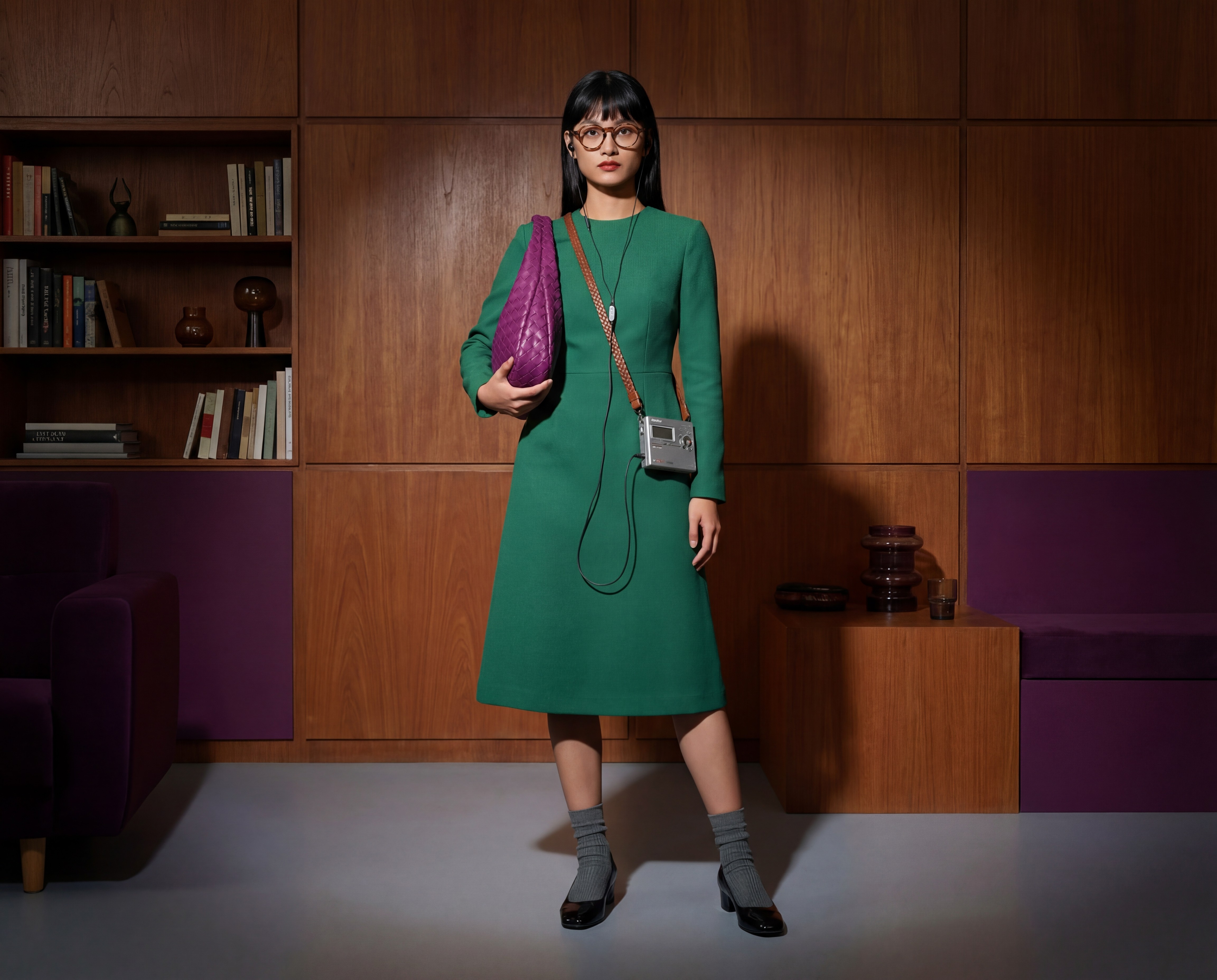
This is not nostalgia.
It’s a reflection on timeless design. On technology that knows how to stay quiet. And on the fact that true style icons don’t belong to a single era — they simply wait to be looked at again, carefully.

In the early 2000s, Sony didn’t just create a music player. It created a cultural object.
Sony’s MiniDisc players — especially the iconic models of that era — were never about raw specifications. They were about feeling. About taste. About belonging to a worldview where technology doesn’t demand attention, but calmly coexists with the person using it.
Metal bodies, precise proportions, deliberate mechanics, tactile buttons, displays that complemented rather than distracted. These devices felt serious. Durable. Carefully considered. You wanted to carry them, place them next to you, interact with them. They were part of one’s identity — not an automatic accessory.
Today, in a world of streaming, screens, and constant digital noise, such objects have almost disappeared. We no longer interact with music physically. There is no ritual in choosing a track, no pause, no anticipation. Everything is instant — and therefore easily forgotten.
That led us to a simple question:
What if this player never disappeared? What if it didn’t become an artifact of the past, but instead was reimagined — preserved in its original spirit, yet existing in today’s world?
We didn’t try to modernize it for the sake of trends. We didn’t add unnecessary screens, gestures, or effects. Instead, we focused on preserving its essence.
We imagined what this object could be today if it were designed with the same respect for form, material, and human interaction. If it remained a physical thing rather than an interface. A tool for music, not another source of notifications.
This is not nostalgia.
It’s a reflection on timeless design. On technology that knows how to stay quiet. And on the fact that true style icons don’t belong to a single era — they simply wait to be looked at again, carefully.